
SI Joint Pain and SI Joint Pain
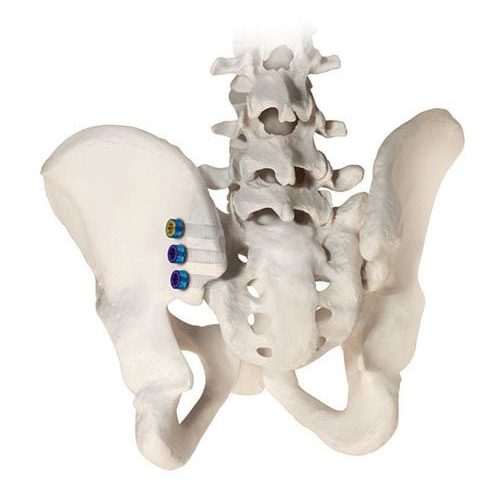
Pain in the lower back or deep buttock can often be attributed to the spine. However, for many individuals this type of pain is actually caused by the sacroiliac joint. Studies have shown that chronic low back pain can be attributed to this cause in approximately 15-30% of cases. An accurate diagnosis will start you on the road to successful sacroiliitis treatment and long term relief. Because the right sacroiliitis treatment depends on what is irritating the joint, getting the diagnosis right always comes first.
At The Spine eXpert Clinic in Mumbai, Dr. Zahir Abbas Merchant, a spine surgeon with 15+ years of experience in Orthopaedics, evaluates patients with persistent back and buttock pain to identify whether the SI joint is involved. This page explains what the joint does, how its pain presents, and the range of sacroiliitis treatments options available, from exercise to fusion surgery.
What Is the Sacroiliac Joint?
The sacroiliac joint links the sacrum, the triangular bone at the base of the spine, to the ilium, the large wing-shaped bone of the pelvis. Everyone has two bilateral sacroiliac joints, one on the right and one on the left.
This joint does not move much (only a few degrees). It functions mainly as a shock absorber. This means that when you are standing, walking or lifting objects the weight from your upper body is passed down through this joint to your pelvis and legs. It has some of the most powerful ligaments in the body, making the joint strong but still allowing some movement.
What Is Sacroiliitis?
Sacroiliitis refers to inflammation of the sacroiliac joint. It is one of the most common reasons people seek sacroiliitis treatment for deep buttock and lower back pain.
Sacroiliitis is usually seen in young adults. They suffer from morning stiffness for longer than 30 minutes, pain that tends to improve with exercise. There may be pain waking them during the second half of the night.
Acute or Chronic Sacroiliitis
It can be referred to as either acute or chronic sacroiliitis depending on the course it takes. Acute sacroiliitis occurs suddenly; that is, as a result of trauma, pregnancy or sometimes even infection. The chronic type takes months and is associated with inflammatory arthritis. Understanding what type you have helps in the treatment of your sacroiliitis. Acute types resolve with treatment, while the chronic type will require treatment of the arthritis.

What Does SI Joint Pain Feel Like?
Usually described as a dull ache but may be sharp on certain movements. Pain tends to increase when sitting or standing for long periods of time, climbing stairs, standing on one leg, getting in/out of the car and turning over in bed. There is often an instability of the pelvis felt.
Where the Pain Is Felt
SI joint pain location is usually felt below the belt, just off midline on either side of the spine over a bony prominence at the back of the pelvis. Many people can clearly indicate the area with a single finger. The pain may radiate to the buttock, groin or low back, but generally will not go beyond the knee.
One Side or Both Sides
Mechanical causes such as trauma or asymmetric loading will usually cause unilateral symptoms. Therefore it is common to see symptoms on one side of the body e.g. left SI joint pain. Bilateral SI joint pain however suggests a more likely inflammatory cause and should be investigated before sacroiliitis treatment begins.
SI Joint Pain, Hip Pain or Back Pain?
Because these structures lie close together, telling them apart can be difficult. Sacroiliac joint and hip pain often overlap, but hip joint problems tend to cause pain in the front of the groin, along with stiffness when putting on shoes or crossing the legs.
Pain from the lumbar spine will typically be felt centrally in the lower back area. Pain can be increased by flexion. If the pain is coming from the disc or nerve then symptoms can radiate down the leg. A thorough examination will be necessary to decide whether sacroiliitis treatment or a different approach is needed. There can be multiple causes of lower back pain.
What Causes Sacroiliitis and SI Joint Pain?
Several factors can irritate or damage the joint:
- Injury: falling on one’s bottom, an accident while riding in a car, or a quick twist of the body can result in sacroiliac strain of the ligaments.
- Pregnancy: hormone-related ligament relaxation, increased weight, and altered posture put additional pressure on the joint
- Inflammatory arthritis: diseases like ankylosing spondylitis often start from SI joint inflammation
- Degenerative arthritis: age-related deterioration of the joint surfaces
- Prior fusion of the lumbar spine: fusion of the lower back may lead to increased pressure on the SI joints
- Gait abnormalities: an imbalance in leg length or walking pattern can put additional pressure on one side
- Fracture: an injury to the SI joint may occur after severe pelvic injury, while in older individuals, sacral stress fractures may cause joint symptoms
How SI Joint Pain Is Diagnosed
Since no one test proves the existence of the disease, a number of tests have to be performed before planning the sacroiliitis treatment.
Clinical Examination
Provocation tests apply mild stress to the joint. This can be done by applying pressure to the pelvis, extending the thigh backwards and/or rotating the hip. If 3 or more of these provoke the patients typical pain then the SI joint is likely to be a source.
Imaging
X-rays may show bony destruction with joint space narrowing, erosion and ankylosis. However, MRI can be very useful in determining areas of active inflammation due to bone marrow oedema. CT scanning can be used to assess fractures. Blood tests such as inflammatory markers and HLA-B27 can be useful to support a diagnosis of inflammatory arthritis.
SI Joint Injection as a Diagnostic Test
The best method of confirming diagnosis is to inject a numbing medication directly into the joint, using x-rays or ultrasound. If pain is reduced by approximately 75% or more during the following hours then it is very likely that the joint is responsible. A positive result also suggests that targeted sacroiliitis treatment aimed at the joint is likely to help.
Sacroiliitis Treatment Options
Most people improve with non-surgical care. Sacroiliac joint pain treatment is tailored to the underlying cause and the severity of symptoms. Sacroiliitis treatment usually follows a step-by-step approach, starting with the simplest measures.
Physiotherapy and Activity Change
The physiotherapy treatment includes exercising the glutes, core and pelvic floor muscles to provide the joint with more strength and stretching of the hip muscles. It is also recommended to avoid sitting for prolonged periods, use the pelvic belt when experiencing flair up and correct one’s posture. Physiotherapy is the foundation of most sacroiliitis treatment plans.
Medication
Pain relief medications (anti-inflammatory) and muscle relaxants can help with flare-ups. Inflammatory arthritis causing sacroiliitis may require specialist medication such as biologicals to treat the underlying cause of the condition, working with a Rheumatologist, making rheumatology input an important part of sacroiliitis treatment in these cases.
SI Joint Injection
SI Joint injection is an injectable treatment containing local anaesthetic and corticosteroids to reduce inflammation. It can offer long-term relief (weeks or months). This is one type of spinal injection used to treat back pain. Radiofrequency ablation may be offered to give longer term relief by heating up the small nerves that transmit pain from the joint.
Non-Surgical Sacroiliitis Treatment: What to Expect
Many patients begin to notice improvement within a few weeks of starting non surgical sacroiliitis treatment, although the timeline varies with the cause. A typical plan combines physiotherapy, short courses of anti-inflammatory medication, and changes to daily activities. If pain remains significant, an SI joint injection may be added to calm the inflammation and make exercise more effective.
Recovery is rarely a straight line. Flare-ups can occur, especially after long periods of sitting or unusual activity, and they usually respond to rest, heat or ice, and a short return to medication. Staying consistent with home exercises is one of the best ways to achieve lasting relief. Regular follow-up allows your doctor to review progress and adjust sacroiliitis treatment as needed. Surgery is considered only when conservative sacroiliitis treatment has not helped for 6 months or more.
SI Joint Fusion Surgery
A SI joint fusion is performed when a patient has had persistent pain for 6 months or more, after thorough conservative management sacroiliitis treatment. It is performed after confirmation of diagnosis using injection tests. This aims to prevent any painful movements within the joint by fusing the sacrum and ilium together.
This is now a common procedure that can be performed using minimally invasive surgery. A small incision is made at the side of the buttock and the surgeon uses X-ray guidance to insert two or three implants across the joint. This helps to provide immediate stability. Over time bone will grow around and through the implants. Most patients will need to use crutches or a walker for a few weeks to reduce weight on the affected side.
Unlike spinal fusion (to fuse vertebrae), sacral joint fusion does not affect movement of the spine but only fuses the pelvic joint.
When Sacroiliitis Treatment Needs a Spine Doctor
Not every case of SI joint pain needs specialist care, but some symptoms should never be ignored. If you have lower back/buttock pain following a major fall/accident, or with a fever, weight loss or night sweats it is important to seek medical attention quickly. This could be due to a fracture or infection. If there is any weakness/numbness in your legs or changes to your bladder and bowels it is important to seek urgent medical attention. This is due to nerve problems rather than joint problems.
A consultation should also be sought if pain persists for longer than a few weeks, is recurrent or causes problems with sitting, sleeping or walking. Young adults presenting with stiffness in their back that is worse in the morning should be assessed for inflammatory causes. Dr. Zahir Abbas Merchant is widely regarded as one of the best spine surgeons in India and South East Asia, and is a world-renowned name in spine care. He uses a detailed clinical assessment, appropriate investigations and guided diagnostic injections to determine the real cause of pain and advise on the best sacroiliitis treatment option available. (The Spine eXpert Clinic, Mumbai)
Frequently Asked Questions
Is SI joint pain the same as sciatica?
No. Sciatica is caused by a pinched nerve root in the spine. It often produces pins and needles, numbness and/or weakness along a particular line on the leg. Pain from the SI joint itself will not usually produce any nerve symptoms but can cause pain in the buttocks.
Which doctor treats SI joint pain?
A spine surgeon or orthopaedic specialist is well placed to diagnose the problem and rule out other sources of pain. Inflammatory sacroiliitis is often managed jointly with a rheumatologist.
Does sacroiliitis treatment always mean surgery?
No. In most cases, sacroiliitis treatment is non-surgical. The majority of patients respond to exercise, medication, and injections, and only a small proportion go on to need fusion.
How is sacroiliitis different from SI joint pain?
SI joint pain is a broad description of discomfort coming from the joint. This inflammation is the result of sacroiliitis, which is one such cause of pain. Pain may also be caused due to strained ligaments and unusual joint function without any inflammation.
Can the SI joint fuse on its own?
Yes, if the patient has severe ankylosing spondylitis. If they’ve had long term inflammation, their joints may have fused. We will closely monitor those patients who have developed this because early treatment can help them maintain mobility and prevent long term stiffness.
conditions
Surgery
Non-Surgical Care
Book an Appointment
Thank you,
We've received your request for . The clinic will call you on +91 to confirm the time and availability.