
Lumbar Canal Stenosis Treatment
What Is Lumbar Canal Stenosis?
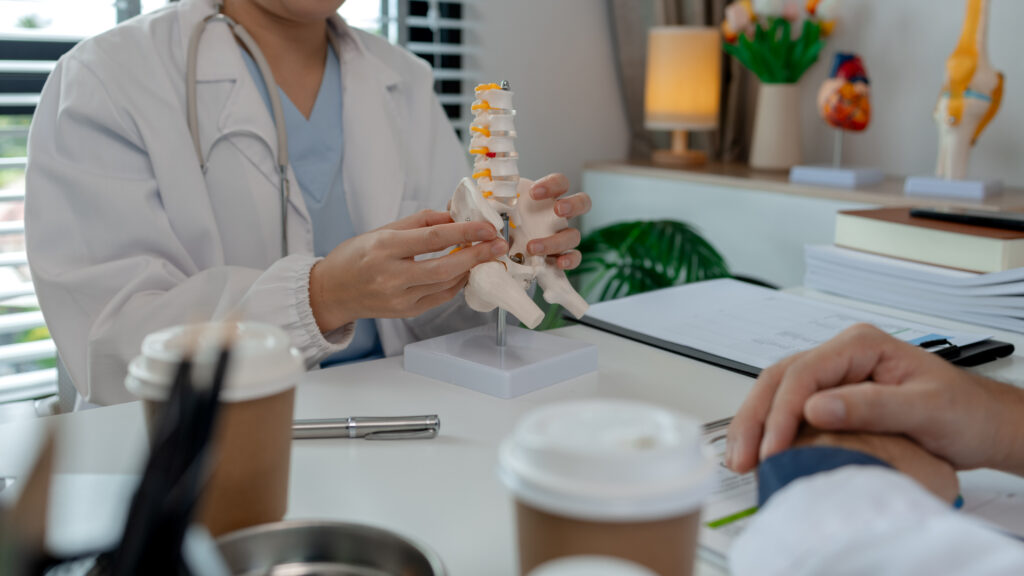
Lumbar canal stenosis is a situation whereby the space within the lower part of the spine narrows. This narrowing of the spinal canal will place pressure on the nerves leading to the legs. It is also known as lumbar stenosis or lumbar spinal stenosis. In case you have ever wondered what stenosis is, then stenosis is just a medical term for describing a narrowed opening in the body. In the back, the opening is called the spinal canal.
Spinal canal stenosis usually occurs gradually when people are over 50 years old because of wear and tear of the spine. People who have been born with a narrow canal will experience early symptoms. This disorder may remain mild for many years before becoming severe. The main reason why it goes unnoticed or misdiagnosed is because of chronic lower back pain experienced by patients.
Lumbar Canal Stenosis Symptoms
The lumbar spinal stenosis symptoms will vary based upon the nerves that are affected. The majority of patients experience a combination of the following symptoms:
- Lower back pain or heavy sensation
- Painful leg cramping, burning or ache
- Numbness or tingling in the buttocks, thighs, calves or feet
- Weakness of the legs or dragging feet
- Increasing pain with standing and walking and relief by flexing forward
These spinal stenosis symptoms are frequently confused with sciatica because pain will also radiate into the leg as is the case in sciatica. If you experience urinary or fecal incontinence, along with significant weakness in your legs, please report it immediately as it could mean there is significant nerve compression.
Neurogenic Claudication Explained
“Neurogenic Claudication” is often seen in patients who have spinal canal stenosis. It refers to situations where patients feel pain, tiredness or weakness in the legs when standing or walking. This condition subsides by sitting or bending forward. Walking distance reduces steadily. Patients feel comfortable shopping as they walk using a walking trolley. The widening of the canal through flexion helps relieve nerve pressure, thus the reason. It is something that sets apart lumbar stenosis from vein problems in the leg area.
What Causes Lumbar Canal Stenosis?
The most common reason for pain is due to deterioration of the spine from age-related changes and it is known as Lumbar Spondylosis. As one ages, the disc becomes thin and joint bone spurs along with ligament thickening leads to reduction in nerve space. Another possible cause could be disc bulge , spondylolisthesis when there is slippage of one vertebra on top of another vertebra, previous injury to the spine, previous back surgery, or congenitally narrow spinal canal. Often more than one cause exists simultaneously.
Understanding Your MRI Report
MRI is the most accurate test for diagnosing canal stenosis. There might be some terms used in the test report which sound scary; however, let me simplify them for you.
Central canal, lateral recess and foraminal stenosis
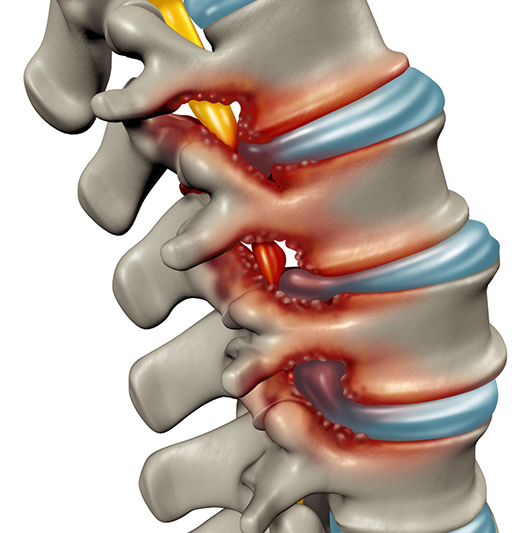
Central spinal canal stenosis means the narrowing of the spinal canal in the center part. The condition where the narrow lateral recess, which is the starting point of the nerve’s path, is being constricted is known as lateral recess stenosis. It is one of the most frequent reasons for leg pain. The narrowing of the nerve exit tunnel is called foraminal stenosis.
What thecal sac compression means
Thecal sac refers to the membrane containing fluid with the spinal nerves. Thecal sac compression means the compression of this membrane because of a bulging disc or an enlarged ligament.
Mild, moderate and severe
Mild indicates that there is minimal nerve compression, while treatment is generally non-surgical. Moderate implies that there is definite overcrowding and associated symptoms. Severe implies that the nerves are compressed. The grading on the report may not necessarily reflect your level of pain. This is why doctors treat the patients rather than the scans.
Lumbar Canal Stenosis Treatment Options
Your lumbar canal stenosis treatment will depend on your specific symptoms, your movement and MRI findings. Dr. Zahir Abbas Merchant from The Spine eXpert Clinic always aims to relieve symptoms surgically only when it is possible.
Non-surgical treatment
Patients usually begin with physical therapy, core muscle strengthening, and minor adjustments in their activities. There are medications that can relieve the pain and nerve irritation. Patients can also have epidural steroid injection therapy to relieve the pain when it becomes intense. This is the initial stage of spinal stenosis treatment for most patients.
Surgical treatment
Surgery becomes an option when there are difficulties while walking, weakness in legs, and loss of bladder and bowel control. The process of laminectomy entails the removal of the bone and tissue that are compressing the nerves. If there is spinal instability, then spinal fusion is done to provide stability to the spine. Your surgery will be planned by Dr. Zahir Abbas Merchant.
Frequently Asked Questions
Why does my leg pain improve when I sit down?
The canal increases its size as one sits down and leans forward, therefore releasing any pressure on the nerves. Since when you stand up and walk, the passage becomes narrow, and the pain continues.
Can lumbar canal stenosis be treated without surgery?
Of course, in many instances. Physiotherapy, medication, and injections work for many individuals. Surgery is an option only for the ones who have restricted movement and muscle weakness.
Is mild spinal stenosis on MRI serious?
Not necessarily. They could have mild stenosis without showing any signs. The important thing is your feeling, so you can present your report to a specialist of the spine.
How is spinal stenosis different from sciatica?
Sciatica is leg pain caused by irritation of the nerves, and stenosis is one of its causes. Stenosis normally affects both legs and causes pain while walking. This may also occur in the neck, which is termed as Cervical Stenosis and Myelopathy.
Which doctor should I consult for lumbar canal stenosis?
Consult an orthopedic spinal expert. In case of any treatment in Mumbai, you can contact Dr. Zahir Abbas Merchant from The Spine eXpert Clinic, which is known to many as The Spine eXpert, who has over 15+ years of expertise in Orthopaedics.